
About Into K Food
Bringing Korean food to the world, one dish at a time.

Bringing Korean food to the world, one dish at a time.
Why Into K Food?
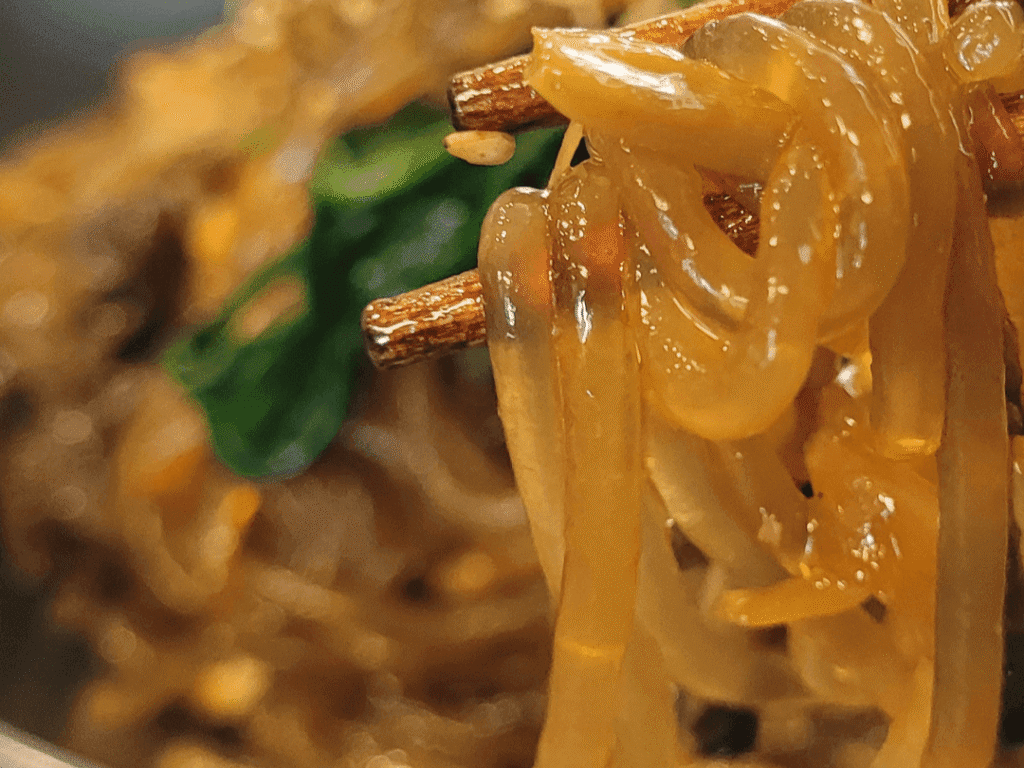
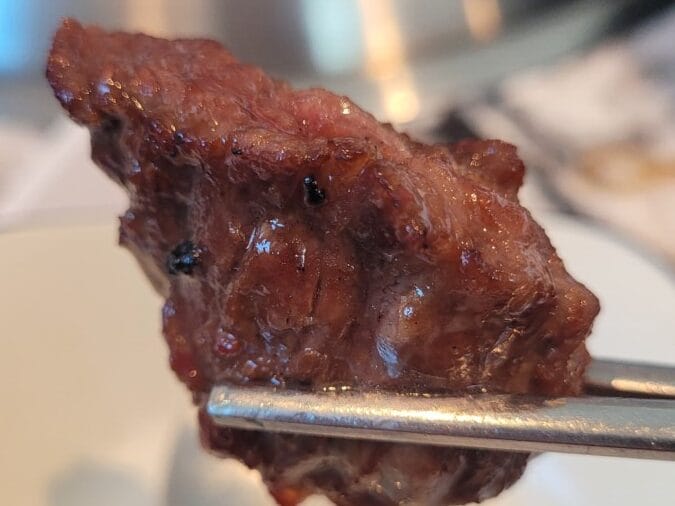
Most Korean food content in English goes one of two ways. It gets adapted so far for Western kitchens that it stops being the dish, or it’s written for people who already know what they’re doing and gives you nothing to hold on to.
This site is for the space in between. Korean dishes the way people here actually eat them, written so you can follow along from a kitchen that isn’t in Korea.
Recipes. Street food. Restaurants. No shortcuts, no gatekeeping. Just Korean food, explained properly.
Who’s Behind This
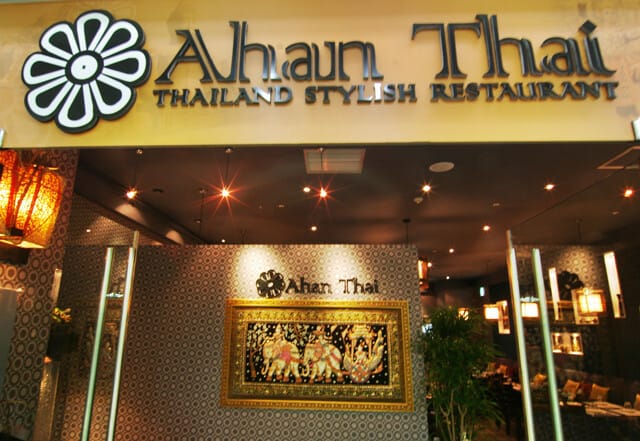

My name is Kwanho Kim. I was born and raised in Korea, I live just outside Seoul, and I eat this food every day.
I’m not a chef. I ran a Thai restaurant for six years — as the operator, not the cook — which taught me more about how a kitchen actually works than about how to be one. What I am is someone who has eaten Korean food his whole life and has gotten tired of watching people abroad follow recipes that were never going to work in their kitchen.
Into K Food is one person. I cook the food, I take the photographs, I go to the restaurants, and I pay for my own meals.
I also run a Korean-language cooking channel, PapaCook, where I’ve been posting recipes for years. It’s in Korean, but the cooking is the same.
How I work


Some of this is tedious to do properly, so it’s worth saying plainly what the rules are here.
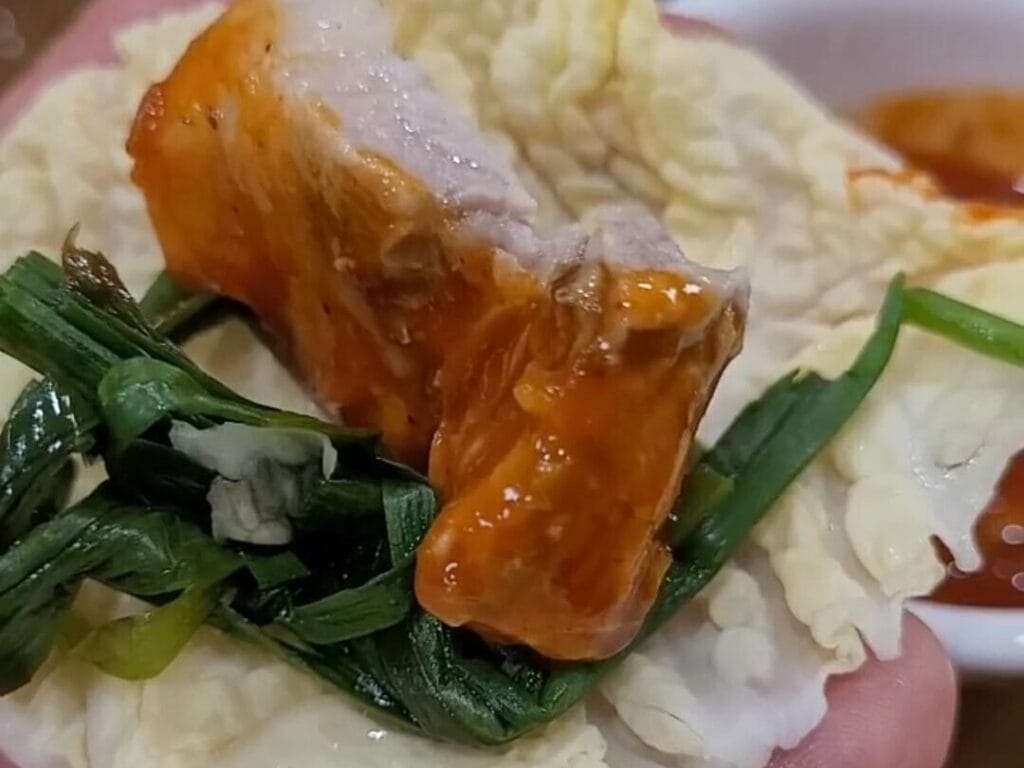
Every photo on this site is one I took. No stock images, no press shots, no pictures pulled from a restaurant’s own page. If you see a plate of food here, it was in front of me.
Recipes are tested in a home kitchen before they go up, and the measurements are converted from how Koreans actually cook. A Korean recipe says “one spoon,” meaning a rice spoon, and a rice spoon holds a different amount of soy sauce than it does of sugar. Those are worked out and written as tablespoons and teaspoons so you don’t have to guess.
If a recipe here suggests a substitute, I tried it. And if an ingredient isn’t traditional — fish sauce in a kimchi stew, Chinese dark soy in japchae — I say so instead of quietly passing it off as the authentic version.
Prices are what I actually paid, in Korean won, with a dollar conversion at the rate on the day I wrote it. Prices move. The won figure is the real one.
If a restaurant gave me something for free, it’s in the post. Same if there’s something about a place I didn’t like. A restaurant write-up that only says good things isn’t worth your time or mine.
Where a diagram helps, I sometimes make one with AI, and I say so in the caption. The photographs are never AI.
What you’ll find here

Recipes that work — step by step, with ingredients you can find, and substitutions I’ve actually cooked with.
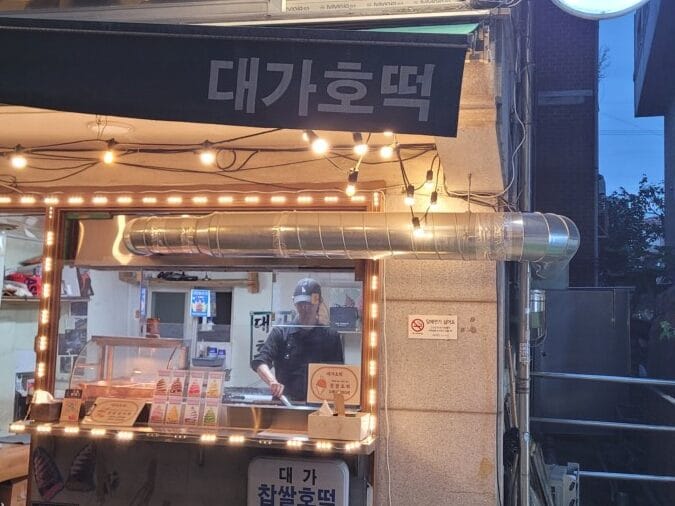
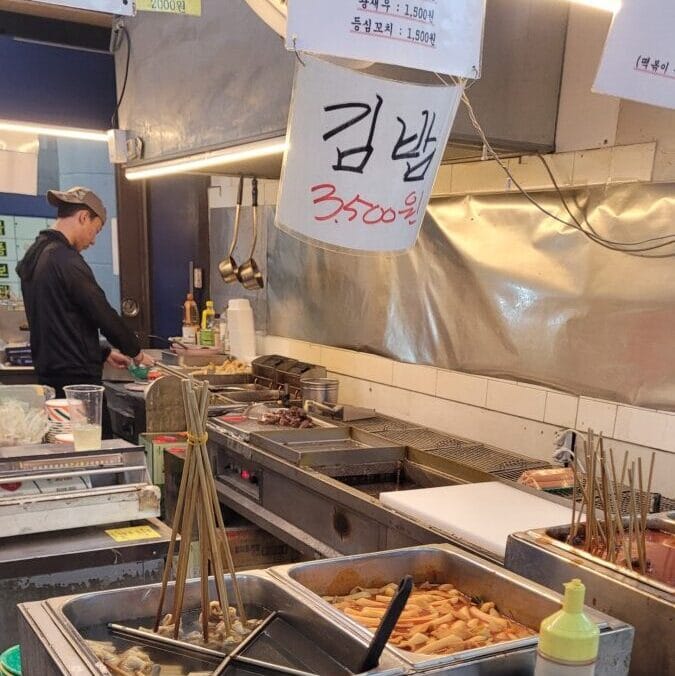
Street food, uncovered — the food Koreans eat standing up, and why it’s so good.
Where locals really eat — restaurant picks from someone who lives here, with prices and directions. Not a tourist list.
Food guides and culture — the things nobody explains. Which map app to use. Why the chopsticks are metal. Why most Korean homes buy their kimchi now instead of making it.
Get in touch

Questions, corrections, or a dish you want covered — I read everything. The contact page is here.
Hungry yet? Start with the blog.


Hungry yet?
Head to the blog for recipes, guides, and everything in between.