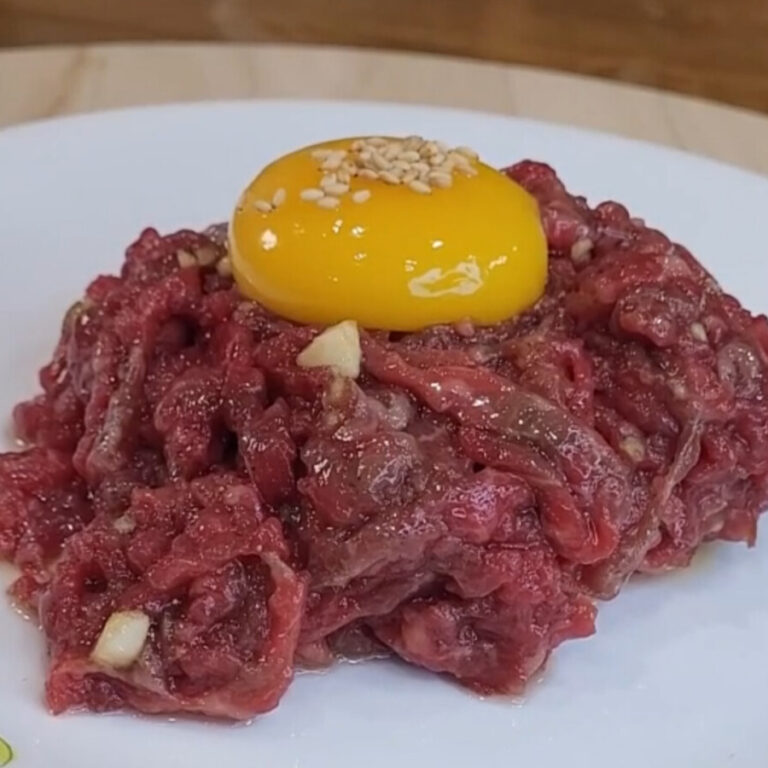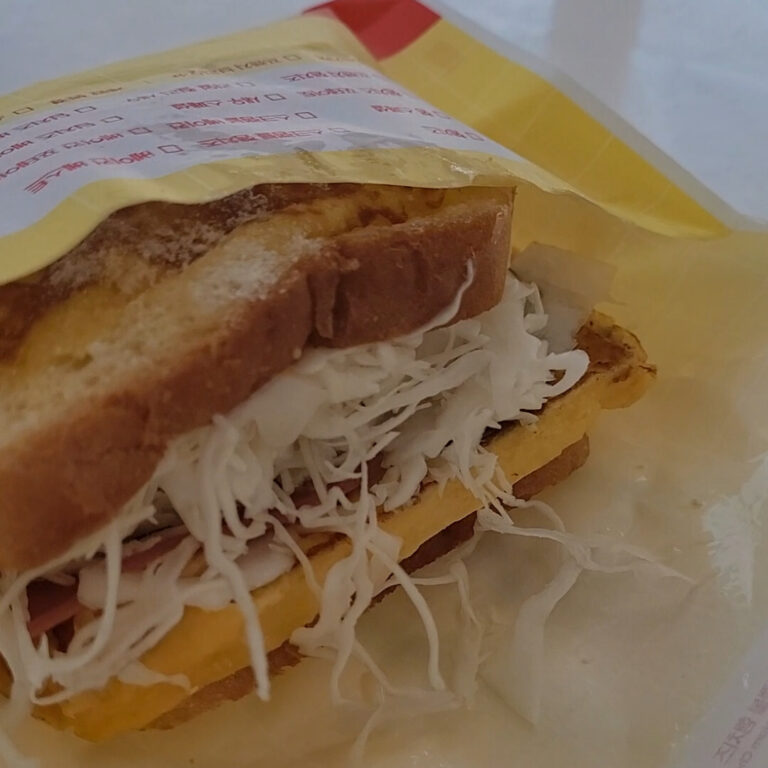
Eating alone in Korea is completely normal, right up until the moment it isn’t.
You can walk into a convenience store, a noodle shop, a food court or a rice-soup place by yourself and nobody will look twice. Then you try to sit down at a barbecue restaurant and you’re told, politely, that they need two people.
That isn’t rudeness, and it isn’t about you being foreign. There’s a structure underneath it, and Koreans have thought about it enough to turn it into a ranking.
The word is honbap (혼밥, hohn-BAHP), short for 혼자 (alone) and 밥 (rice, meaning a meal). Eating alone.
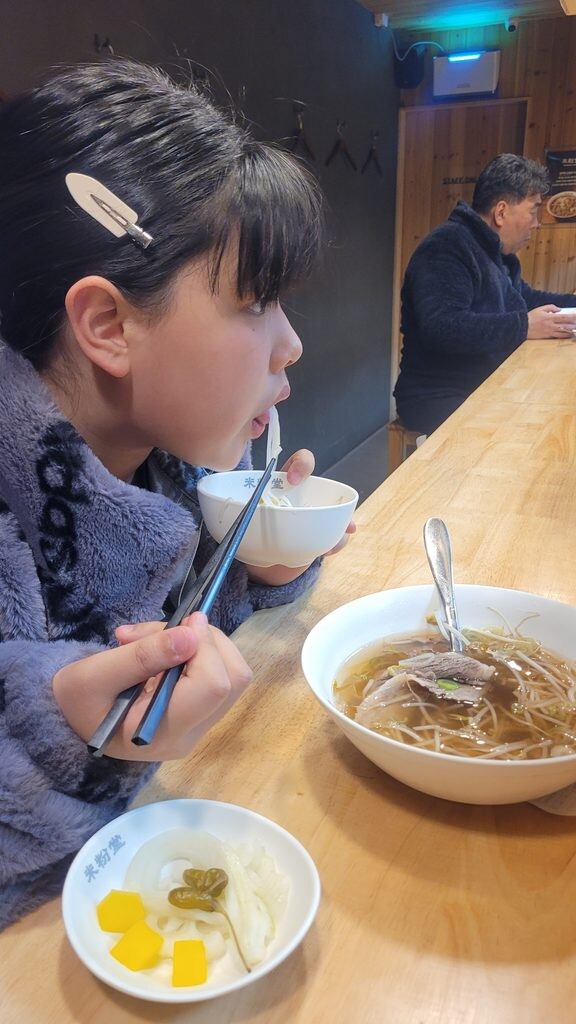
The honbap levels
Since at least the early 2010s, Korean online communities have passed around a list that ranks solo-dining situations from easy to hard. There is no official version. Some have nine levels, some have ten, and the middle gets shuffled every time someone reposts it. Korean newspapers were reprinting versions of it by 2015 and still are.
What every version agrees on is the bottom and the top:
| Where on the scale | Typical places |
|---|---|
| Bottom | Convenience store, student cafeteria, food court |
| Lower middle | Snack shop, fast food |
| Middle | Chinese restaurant, cold-noodle place, Japanese restaurant |
| Upper | Family restaurant |
| Top | Barbecue or raw-fish restaurant, alone · Drinking alone at a bar |
The levels aren’t about skill. They measure how exposed you feel, and how obviously the format was built for more than one person.
At the bottom you’re facing a window, nobody is serving you, and you’re done in ten minutes. At the top you’re sitting at a table with a grill built into it, a format that assumes someone is sitting across from you.
A visitor spends most of a trip in the bottom half of that table and never notices a problem.
Four in ten households, and restaurants still price for two
Here’s the tension, and it’s a real one.
By Statistics Korea’s latest count, the country had 8.045 million one-person households in 2024, 36.1% of all households. On the Ministry of the Interior’s resident-registration count, one-person registrations reached 10.27 million at the end of 2025, or 42.3%. The two numbers differ because they count slightly different things, but either way, living alone is the single most common household type in Korea.
And a great many restaurants still won’t serve one person.
The reason isn’t sentiment. It’s the format. A pot of stew, a grill in the middle of the table, a platter of pork: these are priced and portioned as a unit, and the unit doesn’t divide. A table turned for one customer uses the same gas, the same free side dishes and the same washing-up as a table for two, and earns half as much. So the minimum stays.
It causes real friction. In July 2025, a YouTuber eating alone at a well-known restaurant in Yeosu, on the south coast, was told one portion wasn’t possible, ordered two (₩26,000, about $19), and was then told to hurry up and leave about twenty minutes in. The video spread, and the city sent a letter to local restaurants asking them not to force solo diners to order two portions. In May 2026, a CNN Travel writer described being turned away by two Seoul restaurants in a row for arriving alone.
So it isn’t a theoretical problem.
Which formats will turn you away


If you’re travelling alone, these are the formats where you should expect a minimum.
Hot pot and shabu-shabu. One pot in the middle of the table, shared broth, often a shared salad bar. The buffet we wrote up in Pyeongtaek has two people minimum on the sign at the door, next to the time limit and the pricing rules. That sign is the normal way this gets communicated: in Korean, where a visitor walks straight past it.
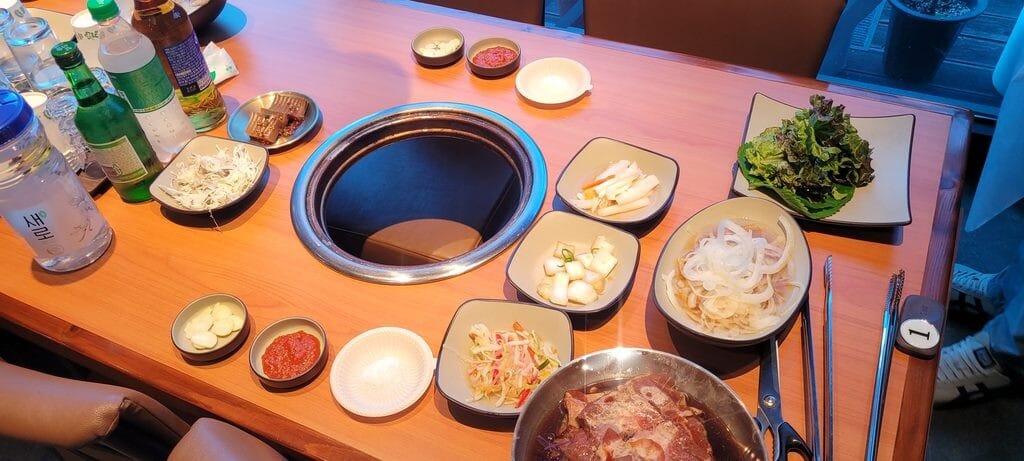

Korean barbecue. The grill is in the table and the meat is sold by the portion, usually with a two-portion minimum. Some places will seat one person at lunch but not at dinner.
All-you-can-eat buffets. The same economics as anywhere: the price assumes an average table, and one customer is hard to average.
Set meals for the table. Some restaurants build their main menu as a shared spread. At a ssambap (wrap-meal, SSAHM-bahp) restaurant in Sangam, the sets start at two people; if you’re alone, you order the stew instead. Same kitchen, same side dishes, different format.
What these have in common is a shared cooking surface, a shared pot or a shared spread. That’s the test. If the food is cooked at your table or served from one dish in the middle, assume two.
Where eating alone is completely unremarkable


Which is most places.
Convenience stores. Counters by the window, hot water for instant noodles, rice triangles you heat in the microwave. Designed for one.
Snack shops. The bunsik (분식, BOON-shik) category: gimbap (seaweed rice rolls, GIM-bahp), tteokbokki (spicy rice cakes, tuhk-boh-KEE), dumplings and noodles. Cheap, fast, built for solo lunches.
Rice-soup and noodle shops. Gukbap (rice in soup, GOOK-bahp), kalguksu (knife-cut noodle soup, KAHL-gook-soo), naengmyeon (cold noodles, NENG-myun). One bowl, one person. It’s always been that way. Plenty of newer noodle shops are built around a long wooden counter facing the open kitchen, with the sauces on a shelf above your bowl: a room designed for people arriving one at a time.
Food courts and highway rest stops. Rest areas in particular are entirely solo-friendly: you order at a counter, take a tray and sit anywhere.
Lunch sets at sit-down restaurants. This is the one most visitors miss, and it’s the most useful. Many restaurants run lunch sets priced per person (rice, soup, side dishes and a main) because office workers come alone or in odd numbers. A chicken stew restaurant in Sangam is a good example: the stew itself starts at ₩28,000 and is sized for two, but the lunch sets run ₩10,000 to ₩16,000 ($7.50 to $12) a head. We went as a group, so we didn’t test it alone, but per-person pricing is exactly the signal to look for.
Which gives you a practical rule.
If you want to eat the hard things alone


Go at lunch. The weekday lunch special is a standard way Korean restaurants do business, not a one-off promotion, and it’s almost always priced per person. A restaurant that wants two people at 7pm may well feed you a set at 12:30.
Call ahead. One question can save you a walk across the city.
Or ask at the door, before you sit. Here’s the sentence, and it’s worth memorising:
혼자인데 괜찮을까요? honja-inde gwaenchanheulkkayo HOHN-ja-in-deh GWEN-chan-eul-kka-yo “It’s just me. Is that okay?”
Say it at the entrance. You’ll get a yes or a no in two seconds, with no awkwardness on either side, because it’s the same question Koreans ask.
And if the answer is no, it isn’t personal. Koreans get the same answer. You’re being told about the portion structure, not about you.
What’s changing
The gap is closing slowly, because ten million one-person households add up to a market.
One-person barbecue places exist now, with small single grills. Convenience store food has improved enormously. Some restaurants now advertise single portions instead of hiding them. After the Yeosu story, the city itself started talking about building up restaurants that welcome solo diners.
The old reading of eating alone, that it meant you had nobody, has faded, especially among younger Koreans. The top of the scale is still the top. But the bottom half barely registers any more.
A visitor eating alone in Korea today will have an easier time than the warnings suggest. Know which formats need a second person, go at lunch, and ask at the door.
For the rest of what nobody tells you about a Korean table, there are eleven more rules here.
Sources: Statistics Korea one-person household figures, via Newsis (Dec 2025) · Ministry of the Interior resident-registration figures, via Newsis (Jan 2026) · The Yeosu incident and the city’s response, Seoul Shinmun (Jul 2025) · The CNN Travel account, Seoul Economic Daily (May 2026)